- Products
- Solutions
- Customization
- About
- Resources
- Contact
- Request A Quote

When evaluating battery performance, many users focus on capacity or voltage alone. However, in real applications, the structure of a lithium-ion battery pack plays a more critical role. Battery packs are built by combining multiple cells, and the way these cells are connected directly affects power output, runtime, and overall efficiency. Therefore, understanding series and parallel configurations is essential for anyone selecting or using a lithium-ion battery pack in power tools, electric equipment, or energy systems.
Before exploring configurations, it is important to understand how a lithium-ion battery pack is built. A typical pack includes multiple lithium-ion cells, a battery management system (BMS), and protective components. Each cell usually has a nominal voltage of about 3.6V or 3.7V.
Instead of using a single large cell, manufacturers combine smaller cells to achieve the desired performance. As a result, the final characteristics of the battery pack depend not only on the cells themselves but also on how they are connected. This is where series and parallel design becomes important.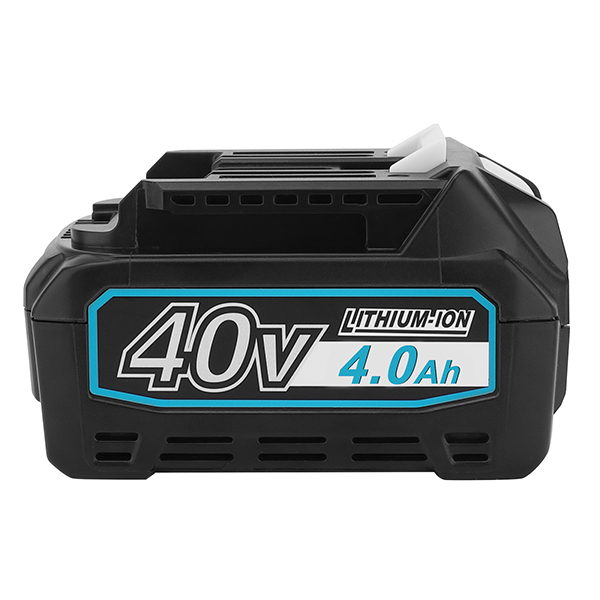
To begin with, series configuration is used to increase voltage. In this design, cells are connected end-to-end, meaning the positive terminal of one cell connects to the negative terminal of the next.
With this setup, the voltage of each cell adds together, while the capacity (Ah) remains the same. For example, if five 3.6V cells are connected in series, the total voltage becomes approximately 18V, but the capacity stays unchanged.
Because of this characteristic, series configuration is commonly used in lithium-ion battery pack designs where higher voltage is required. Higher voltage allows tools and equipment to deliver stronger power, especially under heavy load conditions. This makes series connections essential for applications such as cordless power tools and industrial devices.
In contrast, parallel configuration focuses on increasing capacity rather than voltage. In this case, all positive terminals are connected together, and all negative terminals are connected together.
With this design, the voltage remains the same as a single cell, but the capacity increases. For example, connecting two identical cells in parallel will double the ampere-hours (Ah), which directly extends runtime.
As a result, parallel configuration is widely used when longer operating time is needed. In a lithium-ion battery pack, increasing capacity also helps improve current supply capability, which can support stable performance during continuous operation.
In practical applications, most lithium-ion battery pack designs use a combination of both series and parallel configurations. This approach allows manufacturers to balance voltage and capacity based on specific requirements.
For example, a 5S2P configuration means five cells are connected in series to increase voltage, and two such groups are connected in parallel to increase capacity. This results in a battery pack that provides both sufficient power and extended runtime.
Because of this flexibility, combined configurations are widely used in cordless tools, electric vehicles, and energy storage systems. By adjusting the number of cells in series and parallel, manufacturers can create different battery specifications using the same cell type.
Looking further into performance, the configuration of a lithium-ion battery pack directly influences how it behaves during use.
Therefore, the overall performance depends on how these two factors are balanced. A well-designed battery pack ensures stable output without sudden voltage drops or overheating. This is especially important in high-demand applications where consistent performance is required.
Beyond performance, battery configuration also affects safety. In every lithium-ion battery pack, the BMS plays a key role in monitoring and controlling the system.
For series-connected cells, voltage balancing is critical. Small differences between cells can grow over time, so the BMS ensures each cell operates within safe limits.
For parallel-connected cells, current sharing must remain stable. If one cell carries more load than others, it may heat up and degrade faster.
Because of these factors, more complex battery pack designs require more advanced BMS systems. Proper management helps prevent overcharging, over-discharging, and overheating, ensuring safe and reliable operation.
In real-world design, there is no single ideal configuration. Instead, manufacturers must balance several practical factors when developing a lithium-ion battery pack.
For example, a higher voltage design may improve power output but could increase complexity. On the other hand, increasing capacity improves runtime but may add weight.
Therefore, the final design always reflects a compromise based on the intended application. This is why different battery packs with similar specifications may perform differently in actual use.
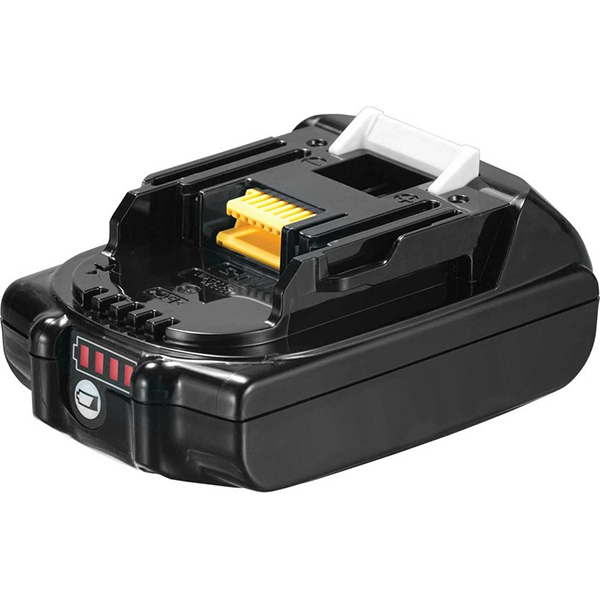
Different industries use different battery configurations depending on their needs. Series-heavy designs are often used in applications that require high power, such as electric vehicles and industrial tools.
Meanwhile, parallel-focused designs are more common in devices that prioritize longer runtime, such as portable electronics and backup power systems.
Most modern lithium-ion battery pack solutions combine both approaches. This allows them to deliver balanced performance, making them suitable for a wide range of applications, including cordless power tools and energy storage systems.
When selecting a lithium-ion battery pack, it is helpful to follow a clear evaluation process.
By combining these factors, users can make more informed decisions and avoid relying on a single specification.
In summary, series and parallel configurations are the foundation of lithium-ion battery pack design. Series connections increase voltage and enable higher power output, while parallel connections increase capacity and extend runtime.
A well-designed battery pack combines both configurations to meet specific application needs. Understanding this balance helps users choose the right battery and better evaluate performance in real-world use.
If you are looking for a reliable partner for high-performance lithium-ion battery pack solutions, RHY Battery offers professional support and proven manufacturing expertise.
As an experienced power tool battery manufacturer, RHY Battery focuses on optimized cell configuration, stable output, and advanced BMS integration to ensure both safety and efficiency.
Whether your application requires higher power, longer runtime, or customized battery solutions, RHY Battery can provide dependable products tailored to your needs. Contact RHY Battery today to learn more about high-quality lithium-ion battery pack solutions designed for real-world performance.