- Products
- Solutions
- Customization
- About
- Resources
- Contact
- Request A Quote

DeWalt power tools are widely used in construction, manufacturing, installation, and maintenance work because of their reliability and strong performance. At the center of this performance is the DeWalt lithium-ion battery system. However, like all rechargeable batteries, DeWalt batteries can develop issues over time. Understanding common DeWalt battery problems helps users reduce downtime, control operating costs, and decide when a DeWalt battery replacement is necessary.
This article explains the most common DeWalt battery problems, why they occur, and how professionals can manage them effectively.
Before looking at specific problems, it is important to understand how DeWalt lithium-ion batteries work. Most DeWalt cordless tools use 20V MAX or XR lithium-ion batteries, while higher-demand tools may use the FlexVolt system, which automatically adjusts voltage based on tool requirements.
Each DeWalt lithium-ion battery contains:
Together, these components are designed to deliver stable power while protecting the battery from unsafe operating conditions. When any part of this system detects a problem, performance may be limited or charging may stop entirely.
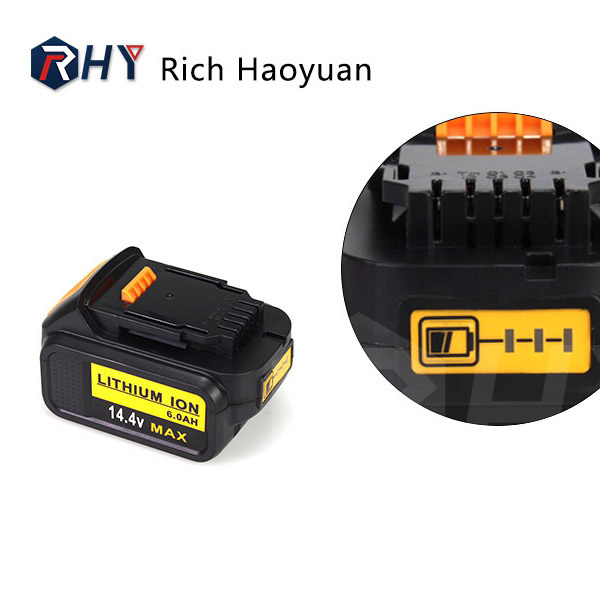
One of the most frequent DeWalt battery problems involves charging behavior. While often frustrating, these issues are usually linked to protection features rather than immediate battery failure.
A DeWalt battery that does not charge may be responding to a safety lockout. Common causes include:
In many cases, allowing the battery to return to room temperature and ensuring clean contacts restores normal charging behavior.
Another common issue is a battery that appears to charge but delivers shorter runtime than expected. This usually results from:
While the charger may indicate a full charge, the usable energy stored in the battery is reduced.
Short runtime is one of the most noticeable DeWalt battery problems in daily use. Even when a battery charges correctly, it may drain faster than expected during work.
Several factors contribute to this issue:
Using a battery with insufficient amp-hour (Ah) capacity for demanding applications accelerates wear and reduces usable runtime.
Another performance-related issue is voltage drop under load, sometimes experienced as sudden tool shut-off. This occurs when the battery voltage falls below the BMS safety threshold during operation.
Common reasons include:
When voltage drops too far, the BMS cuts power to protect the battery, even if some capacity remains.
DeWalt batteries are designed with thermal protection to prevent unsafe temperatures. If a battery overheats during use or charging, the BMS will temporarily shut it down.
Overheating may occur due to:
Thermal shutdown is not necessarily a failure, but frequent overheating accelerates battery aging and shortens service life.
Not all DeWalt battery problems are electrical. Mechanical wear also plays a role, especially in demanding jobsite environments.
Common physical issues include:
These problems may result in unexpected power loss or charging interruptions and are often overlooked during troubleshooting.
While some issues are temporary, others indicate that a DeWalt battery has reached the end of its practical service life. Clear signs that replacement is the best option include:
For professional users, replacing the battery is often more cost-effective and reliable than attempting extended troubleshooting.
Many common DeWalt battery problems can be minimized with proper handling and maintenance.
Recommended practices include:
These steps help maintain consistent performance and extend battery lifespan.
Common DeWalt battery problems—such as charging issues, short runtime, voltage drop, and overheating—are normal outcomes of lithium-ion battery use over time. They are not necessarily defects but signals that battery condition or application demands have changed.
For professional users, the key is understanding these signals and responding early. When performance no longer meets operational needs, choosing a reliable DeWalt battery replacement from an experienced manufacturer can restore productivity and reduce downtime.
If you are looking for a dependable DeWalt battery replacement solution, RHY Battery specializes in manufacturing high-quality lithium-ion replacement batteries designed for professional applications. With a focus on stable performance, safety protection, and consistent quality, RHY Battery supports businesses seeking long-term reliability and cost-effective power solutions. Contact RHY Battery today to discuss your DeWalt battery replacement needs
DeWalt power tools are widely used in construction, manufacturing, installation, and maintenance work because of their reliability and strong performance. At the center of this performance is the DeWalt lithium-ion battery system. However, like all rechargeable batteries, DeWalt batteries can develop issues over time. Understanding common DeWalt battery problems helps users reduce downtime, control operating costs, and decide when a DeWalt battery replacement is necessary.
This article explains the most common DeWalt battery problems, why they occur, and how professionals can manage them effectively.
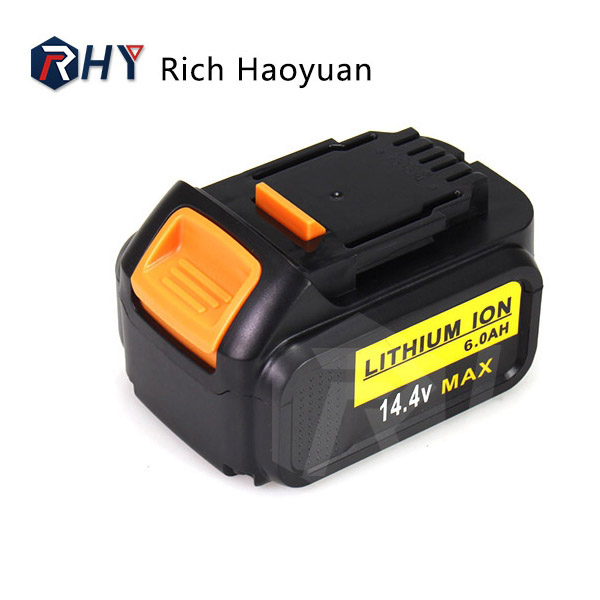
Before looking at specific problems, it is important to understand how DeWalt lithium-ion batteries work. Most DeWalt cordless tools use 20V MAX or XR lithium-ion batteries, while higher-demand tools may use the FlexVolt system, which automatically adjusts voltage based on tool requirements.
Each DeWalt lithium-ion battery contains:
Together, these components are designed to deliver stable power while protecting the battery from unsafe operating conditions. When any part of this system detects a problem, performance may be limited or charging may stop entirely.
One of the most frequent DeWalt battery problems involves charging behavior. While often frustrating, these issues are usually linked to protection features rather than immediate battery failure.
A DeWalt battery that does not charge may be responding to a safety lockout. Common causes include:
In many cases, allowing the battery to return to room temperature and ensuring clean contacts restores normal charging behavior.
Another common issue is a battery that appears to charge but delivers shorter runtime than expected. This usually results from:
While the charger may indicate a full charge, the usable energy stored in the battery is reduced.
Short runtime is one of the most noticeable DeWalt battery problems in daily use. Even when a battery charges correctly, it may drain faster than expected during work.
Several factors contribute to this issue:
Using a battery with insufficient amp-hour (Ah) capacity for demanding applications accelerates wear and reduces usable runtime.
Another performance-related issue is voltage drop under load, sometimes experienced as sudden tool shut-off. This occurs when the battery voltage falls below the BMS safety threshold during operation.
Common reasons include:
When voltage drops too far, the BMS cuts power to protect the battery, even if some capacity remains.
DeWalt batteries are designed with thermal protection to prevent unsafe temperatures. If a battery overheats during use or charging, the BMS will temporarily shut it down.
Overheating may occur due to:
Thermal shutdown is not necessarily a failure, but frequent overheating accelerates battery aging and shortens service life.
Not all DeWalt battery problems are electrical. Mechanical wear also plays a role, especially in demanding jobsite environments.
Common physical issues include:
These problems may result in unexpected power loss or charging interruptions and are often overlooked during troubleshooting.
While some issues are temporary, others indicate that a DeWalt battery has reached the end of its practical service life. Clear signs that replacement is the best option include:
For professional users, replacing the battery is often more cost-effective and reliable than attempting extended troubleshooting.
Many common DeWalt battery problems can be minimized with proper handling and maintenance.
Recommended practices include:
These steps help maintain consistent performance and extend battery lifespan.
Common DeWalt battery problems—such as charging issues, short runtime, voltage drop, and overheating—are normal outcomes of lithium-ion battery use over time. They are not necessarily defects but signals that battery condition or application demands have changed.
For professional users, the key is understanding these signals and responding early. When performance no longer meets operational needs, choosing a reliable DeWalt battery replacement from an experienced manufacturer can restore productivity and reduce downtime.
If you are looking for a dependable DeWalt battery replacement solution, RHY Battery specializes in manufacturing high-quality lithium-ion replacement batteries designed for professional applications. With a focus on stable performance, safety protection, and consistent quality, RHY Battery supports businesses seeking long-term reliability and cost-effective power solutions. Contact RHY Battery today to discuss your DeWalt battery replacement needs