- Products
- Solutions
- Customization
- About
- Resources
- Contact
- Request A Quote

Ryobi 18V batteries are widely used across cordless drills, impact drivers, and a broad range of garden tools. Their popularity comes from platform consistency and ease of use. However, like all lithium-ion battery packs, they can develop performance and reliability issues over time. Understanding these common Ryobi 18V battery issues helps users identify problems early, reduce downtime, and make informed decisions about repair or replacement.
In the following sections, we break down the most frequent problems, explain the technical reasons behind them, and provide practical guidance based on real operating conditions.
Before looking at individual issues, it is important to understand how a Ryobi 18V battery works. Internally, the pack is built from multiple lithium-ion cells connected in series, combined with a Battery Management System (BMS). The BMS controls charging, discharging, temperature protection, and cell balancing.
As a result, battery problems usually come from one of three areas:
This is especially relevant for garden tool batteries, which are exposed to higher current loads, vibration, dust, and outdoor temperature changes.
One of the most searched Ryobi battery problems is when the battery refuses to charge.
In many cases, the issue is not a complete battery failure. Common causes include dirty or oxidized terminals, low-temperature BMS lockout, or cell voltage dropping below the safe charging threshold.
Lithium-ion BMS systems are designed to block charging when conditions are unsafe. If the battery is too cold or has been deeply discharged, the BMS may prevent charging to protect the cells.
Cleaning the battery and charger contacts and allowing the pack to return to room temperature often resolves this issue. If charging still fails repeatedly, it may indicate internal cell degradation.
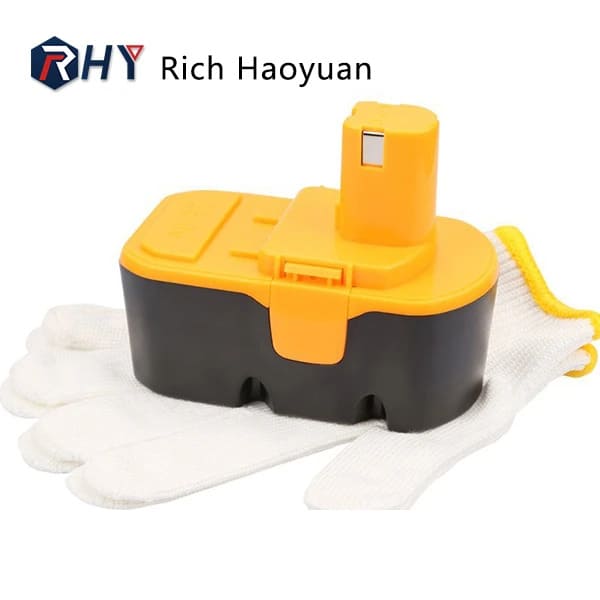
Another common Ryobi 18V battery issue is rapid loss of charge during storage.
What This Looks Like
Self-discharge is often caused by cell imbalance or aging. In some cases, tools left with the battery installed may draw small standby currents. Over time, this drains the battery and can trigger BMS protection.
Garden tool batteries are particularly affected because they are often stored seasonally rather than used daily.
Storing batteries at partial charge and removing them from tools when not in use helps reduce this problem and extends service life.
Voltage sag is a less obvious but highly impactful issue.
Voltage sag occurs when the battery voltage drops sharply under load. This results in reduced tool power, sudden shutdowns, or poor performance.
High-draw tools such as lawn trimmers, blowers, and saws place significant demand on Ryobi 18V batteries. If the internal resistance of the cells increases due to aging, the battery cannot maintain stable voltage.
In many cases, upgrading to a higher-capacity replacement battery improves performance, but persistent voltage sag usually indicates worn cells.
Temperature control is critical for lithium-ion battery safety.
Normal vs. Abnormal Heating
It is normal for batteries to warm slightly during use or charging. However, excessive heat signals a problem.
The BMS is designed to stop operation if temperatures exceed safe limits. Frequent overheating shortens battery lifespan and increases failure risk.
Operating and charging Ryobi 18V batteries within recommended temperature ranges helps maintain long-term stability.
Some users experience tools cutting out unexpectedly.
Loose battery connections, worn rails, or dirty terminals increase resistance. This can cause momentary voltage drops that trigger the BMS.
In outdoor environments, dust and debris commonly affect garden tool batteries, making regular inspection important.
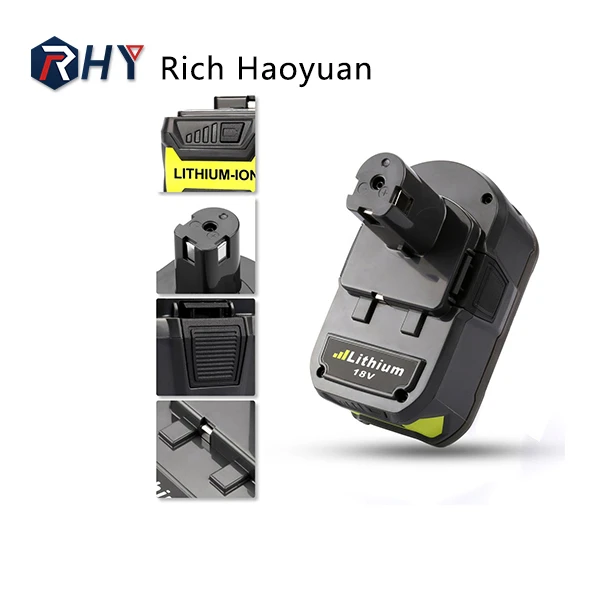
Not all Ryobi battery problems require replacement, but not all are worth repairing either.
For professional users and distributors, consistent performance is often more valuable than extending the life of a failing pack.
Simple habits can reduce the likelihood of common battery issues:
These steps are especially important for garden tool batteries that may sit unused for extended periods.
Common Ryobi 18V battery issues such as charging failure, self-discharge, voltage sag, and overheating are typically linked to cell aging, environmental conditions, and protection system limits. Recognizing these problems early helps users avoid unexpected downtime and safety risks.
When replacement becomes necessary, selecting a battery built with stable cells, reliable BMS protection, and consistent quality is critical—especially for high-load garden tools and professional applications.
RHY Battery specializes in lithium-ion battery solutions designed for demanding cordless tool applications. With a strong focus on performance consistency, safety control, and long-term reliability, RHY Battery supports distributors and professional users seeking dependable power solutions.
If you are evaluating replacement options or sourcing at scale, working with an experienced Ryobi battery replacement manufacturer like RHY Battery can help ensure stable supply, reliable performance, and better long-term value.