- Products
- Solutions
- Customization
- About
- Resources
- Contact
- Request A Quote

When working with lithium-ion batteries, many users focus on capacity or voltage but overlook charging and discharging methods. However, the way a battery is charged and discharged has a direct impact on its performance, lifespan, and safety. In practical applications such as power tools, electric vehicles, and energy storage systems, choosing the correct charging method is essential. This article explains the most common lithium-ion battery charging methods and helps you understand how to select the right approach for your application.
To better understand battery behavior, it is helpful to start with the main charging and discharging modes. Lithium-ion batteries typically use four basic methods: constant current (CC), constant voltage (CV), constant power (CP), and constant resistance (CR).
Among these, CC and CV are the most widely used, often combined as CC-CV charging. CP and CR are more specialized and are used in certain applications where power or load needs to be controlled in a different way. In real-world systems, these methods are not isolated but are often combined to achieve better performance and safety.
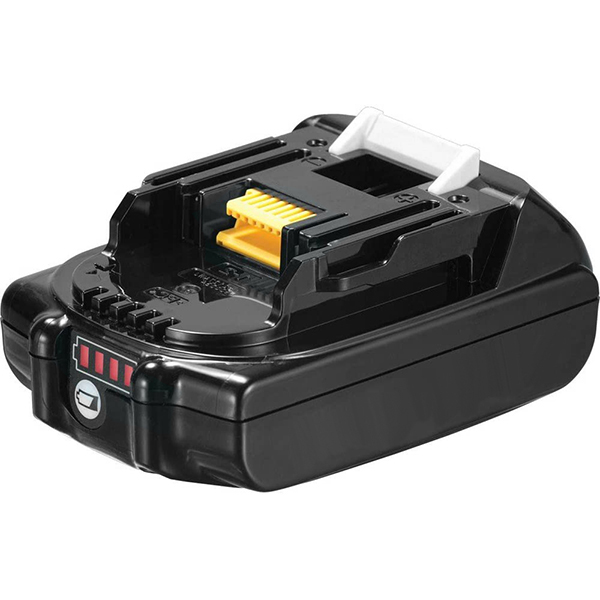
When it comes to standard charging practices, CC-CV charging is the most common method for lithium-ion batteries. This approach combines two stages to ensure both efficiency and safety.
In the first stage, the battery is charged using constant current. During this phase, the charging speed is relatively fast, and the battery voltage gradually increases. Once the voltage reaches the predefined upper limit, the system switches to constant voltage mode.
In the second stage, the voltage remains stable while the current slowly decreases. This allows the battery to reach full charge without being overstressed. Because lithium-ion batteries experience polarization effects during charging, this two-step method helps maintain stability and prevents damage. As a result, CC-CV charging is widely adopted in most lithium-ion battery systems.
While charging usually involves a combination of methods, discharging is often simpler. In many applications, constant current discharge is used. This is mainly because it makes it easier to measure battery capacity and estimate the state of charge (SOC).
Under constant current conditions, the battery releases energy at a steady rate, which allows for consistent performance evaluation. For this reason, CC discharge is commonly used in testing environments and performance analysis. Although real-world usage may vary, this method provides a reliable baseline for understanding battery behavior.
To better understand CC-CV charging, it is important to look at the difference between CC and CV modes. In constant current mode, the current remains fixed while the voltage changes. In contrast, in constant voltage mode, the voltage is fixed while the current gradually decreases.
These two methods work together rather than independently. CC provides fast energy input during the early stage of charging, while CV ensures safe and controlled completion of the charging process. Using only one of these methods would either reduce efficiency or increase safety risks, which is why the combined approach is widely used in lithium-ion battery charging systems.
One of the key advantages of CC-CV charging is its ability to prevent overcharging. During the charging process, the battery voltage is carefully monitored. Once it reaches the maximum limit, typically around 4.2V per cell, the system switches to constant voltage mode.
At this point, the charging current starts to decrease naturally. This reduction in current prevents excessive energy from entering the battery, which could otherwise cause overheating or internal damage. In addition, most modern lithium-ion battery systems include a Battery Management System (BMS) that provides extra protection by monitoring voltage, current, and temperature. Together, these mechanisms ensure safe and reliable charging.
Although lithium-ion batteries are designed for efficiency, using the wrong charging method can lead to serious problems. For example, if a battery is charged continuously in constant current mode without switching to constant voltage, it may be overcharged. This can result in overheating, capacity loss, or even swelling.
Similarly, improper use of constant power charging may cause excessive current or voltage, which can accelerate battery degradation. Over time, these issues reduce battery life and may create safety risks. Therefore, following recommended lithium-ion battery charging methods is critical for maintaining performance and safety.
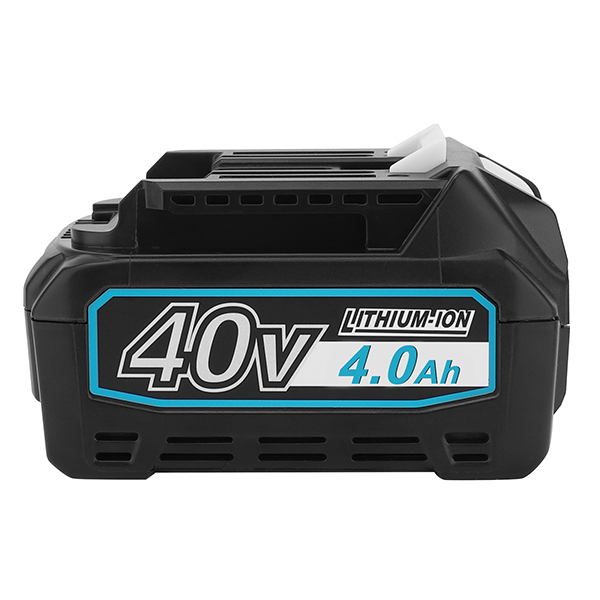
While CC-CV is the standard approach, constant power (CP) charging is used in specific scenarios. In CP mode, the charging system maintains a stable power output rather than fixed current or voltage. This method is particularly useful in applications such as electric vehicles and energy storage systems, where power demand needs to remain consistent.
In some cases, CP is combined with CV to form a CP-CV charging strategy. As the battery approaches full charge, the system switches to voltage control to prevent exceeding safe limits. Although less common than CC-CV, CP-based methods play an important role in high-power lithium-ion battery applications.
When selecting a charging method, it is important to consider the application requirements. For most power tools and portable devices, CC-CV charging is the best choice because it balances speed and safety.
For high-power systems such as electric vehicles or large-scale energy storage, CP or CP-CV methods may be more suitable. In testing and evaluation scenarios, constant current discharge is often preferred for accurate data analysis.
In addition to the charging method, factors such as battery design, BMS functionality, and operating conditions should also be considered. By aligning the charging strategy with the application, users can maximize battery performance and lifespan.
In summary, lithium-ion battery charging and discharging methods play a critical role in overall performance. CC-CV charging remains the industry standard due to its balance of efficiency and safety. Other methods, such as CP and CC discharge, are used in specific situations to meet different operational needs.
Understanding these methods allows users to make better decisions, reduce risks, and improve battery reliability. Instead of focusing only on capacity or voltage, it is equally important to consider how the battery is charged and used in real conditions.
If you are looking for a reliable lithium-ion battery manufacturer, RHY Battery offers professional solutions tailored to your application. With strong expertise in battery design, charging strategies, and BMS integration, RHY Battery provides high-performance battery systems for power tools, industrial equipment, and energy storage applications.
As a trusted battery solution supplier, RHY Battery focuses on safety, efficiency, and customization. Whether you need standard products or customized lithium-ion battery packs, our team is ready to support your project. Contact RHY Battery today to explore the right battery solution for your business.