- Products
- Solutions
- Customization
- About
- Resources
- Contact
- Request A Quote

Battery charging is a critical process for any rechargeable device, especially for lithium-ion (Li-ion) batteries used in a wide range of portable devices. A Battery Charger IC plays a crucial role in regulating the charging current and voltage, ensuring the safety and efficiency of the charging process. This article explores the basics of Battery Charger ICs and how they optimize the charging cycle of Li-ion batteries.
A Battery Charger IC is an integrated circuit designed to manage the charging process of batteries. In particular, Li-ion batteries, which are widely used in smartphones, laptops, and other portable devices, require specific charging profiles to maximize performance and lifespan. The primary function of the charger IC is to regulate the current and voltage applied to the battery during charging.
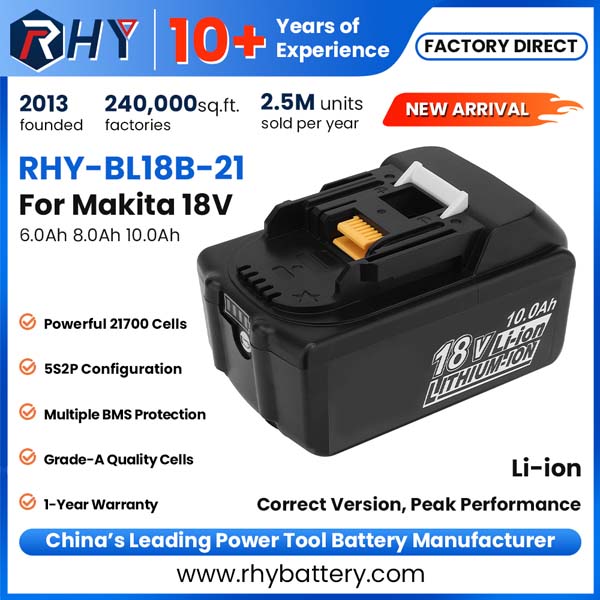
Li-ion batteries require a specific charging profile, often referred to as Constant Current-Constant Voltage (CC-CV). This profile ensures that the battery is charged safely and efficiently through several phases:
Each of these phases is essential for optimizing the lifespan and capacity of the battery.
Battery Charger ICs come with several features designed to protect the battery and ensure a safe charging process:
When selecting a Battery Charger IC, it’s important to consider the specific requirements of the device. Key factors include the battery's capacity, voltage, and required charge rate. The IC should match these specifications to ensure safe and efficient charging. Moreover, the IC should provide protection against common issues such as overcharging, overheating, and short circuits.
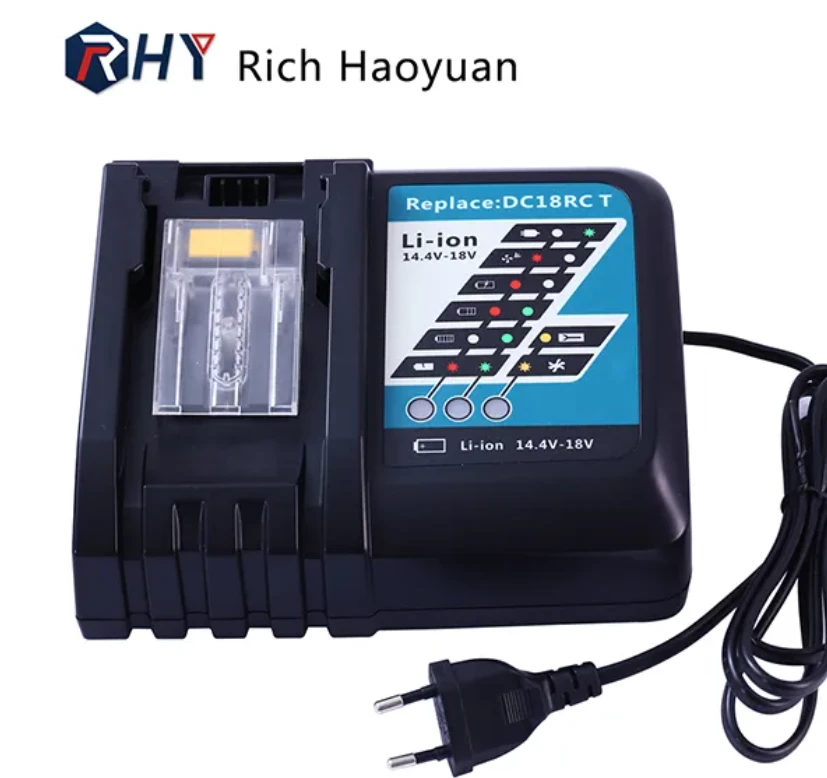
Battery Charger ICs not only protect the battery but also enhance device performance. A well-designed IC ensures that the battery charges quickly and efficiently without degrading its capacity over time. For portable devices, this is particularly important, as users expect their devices to charge quickly and provide long-lasting battery life.
Battery Charger ICs are essential components for safely and efficiently charging Li-ion batteries in modern electronic devices. By following a specific charging profile and incorporating protection features, these ICs help extend the battery’s lifespan and improve device performance. When selecting a charger IC, it is crucial to match the specifications of the battery and the device to ensure optimal charging.
If you're looking for reliable and efficient battery charging solutions, RHY provides industry-leading battery management systems tailored for your needs. Contact us today to learn more about our innovative charging solutions.