Common Milwaukee Battery Problems and Practical Solutions
Milwaukee is a trusted name among both DIY enthusiasts and professionals for its reliable power tools, especially those in the M18 and M12 systems. Milwaukee batteries, particularly the REDLITHIUM series, provide impressive runtime, power, and durability. However, like all batteries, Milwaukee’s lithium-ion packs can experience issues over time. While some problems are minor and easily fixable, others could indicate a need for a replacement. This article will dive into the most common issues with Milwaukee batteries, their causes, practical solutions, and how to know when it's time to replace your battery.
Understanding Milwaukee Lithium-Ion Battery Basics
Before diving into common battery problems, it’s helpful to understand how Milwaukee's lithium-ion batteries work. These batteries use lithium ions moving between the anode and cathode to produce energy. This dynamic process is responsible for their high energy density and relatively low self-discharge rate. Milwaukee’s REDLITHIUM batteries incorporate several safety mechanisms, including the Battery Management System (BMS), which monitors and balances the cells to protect against overcharging, overheating, and deep discharging.
While these features significantly improve battery life and performance, they can also cause issues if the battery is misused or starts to degrade with age. Understanding how these systems work can help you troubleshoot problems more effectively.

Common Milwaukee Battery Problems and How to Fix Them
1. Milwaukee Battery Won’t Charge at All
Problem: One of the most frustrating issues with Milwaukee batteries is when they won’t charge at all. This could be due to a variety of reasons, such as a defective battery, charger problems, or a dead cell within the battery.
Possible Causes:
-
Charger malfunction: If the charger isn't working correctly, the battery may appear to charge but will not actually gain any power. You might see the indicator light on the charger turn green but the battery will only power a tool's light and not its motor.
-
Battery cell failure: A dead cell inside the battery could prevent the rest of the cells from charging properly. If you suspect this, you may need to get a professional to diagnose the battery or consider replacing it.
Fixes:
-
Check charger: Make sure the charger is functioning properly. Try using a different charger or cleaning the charging contacts to ensure a good connection.
-
Battery jump-start: If your battery is dead but still under warranty, you may want to try a jump-start by connecting it to another charged battery (using a method recommended by professionals).
2. Battery Charges but Doesn’t Hold Charge
Problem: Sometimes, the battery charges fully, but the charge doesn’t last long enough to complete a task. This issue is particularly common when a battery shows a full charge but loses power quickly once in use.
Possible Causes:
-
Capacity loss: Over time, lithium-ion batteries lose capacity as their cells degrade, especially after many charge cycles.
-
Incompatible tool demands: If you are using a battery with a tool that demands more power than the battery can supply, it could cause the battery to deplete too quickly.
Fixes:
-
Check for correct tool-battery match: Ensure the battery capacity is sufficient for your tool's requirements. Higher-power tools like saws and rotary hammers require larger, high-capacity batteries (e.g., 6.0Ah or 9.0Ah).
-
Battery replacement: If your battery has been used extensively, it may simply be time for a new one.
3. Battery Overheats During Use or Charging
Problem: Overheating is one of the most common and concerning issues with Milwaukee batteries. Overheating can reduce battery life and, in extreme cases, cause it to fail entirely.
Possible Causes:
-
Excessive load: Using a low-capacity battery with a high-demand tool can lead to overheating. For instance, a 3.0Ah battery may struggle to power a heavy-duty saw, causing it to overheat.
-
Poor ventilation: Charging the battery in a poorly ventilated area or using it in hot weather can exacerbate the problem.
Fixes:
-
Take breaks during use: Avoid prolonged, heavy-duty use with low-capacity batteries. Take breaks to allow the battery to cool down.
-
Proper storage and charging: Charge your battery in a cool, dry place, and avoid using the tool in direct sunlight or high temperatures. If the tool becomes too hot during operation, stop using it and let it cool down before continuing.
4. Sudden Power Loss During Use
Problem: If the tool cuts off suddenly during operation, it could be a sign that your battery is failing or has become misaligned with the tool's power needs.
Possible Causes:
-
Battery failure: If the battery is old or damaged, it may be losing its ability to supply power under load.
-
BMS protection: If the BMS detects an issue, such as an internal short or excessive heat, it may cut off power to protect the battery.
Fixes:
-
Battery replacement: If the battery continues to cut off unexpectedly, it may need to be replaced.
-
Tool contact issues: Check if the battery contacts are clean and securely connected. Poor contact can cause power interruptions.
5. Battery Physical Damage (Swelling or Leakage)
Problem: Swelling or leakage in Milwaukee batteries is a serious issue that should never be ignored. A swollen battery is at risk of leaking dangerous chemicals, and it may even pose a fire hazard.
Possible Causes:
-
Overcharging: Charging the battery for too long or using an incompatible charger can cause it to overcharge, leading to swelling.
-
Excessive heat: Heat can cause the battery cells to expand and swell.
Fixes:
-
Stop using the battery immediately: If your battery is swollen or leaking, remove it from the tool and stop using it.
-
Proper disposal: Do not throw the damaged battery in the trash. Instead, dispose of it at a certified recycling center that handles hazardous materials.
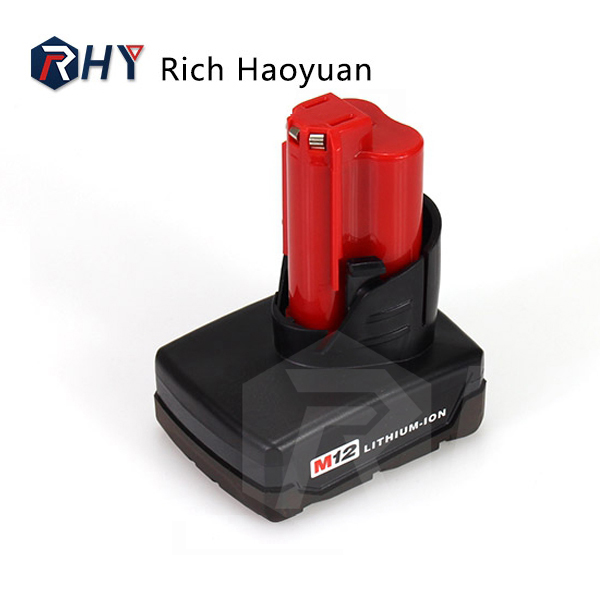
When to Replace Your Milwaukee Battery
While Milwaukee batteries are built to last, they won’t last forever. Over time, even with proper care, batteries degrade, and performance suffers. If your Milwaukee battery exhibits any of the following signs, it may be time to replace it:
-
Power loss: If the battery no longer holds a charge as it used to or quickly loses power under normal use, replacement is necessary.
-
Physical damage: Swelling, leakage, or any signs of physical damage require immediate replacement.
-
Frequent overheating: If your battery constantly overheats despite taking proper precautions, it may be near the end of its lifespan.
Conclusion
Milwaukee batteries are known for their high performance and long life, but like all power tool batteries, they can experience problems as they age. Whether it's not charging, overheating, or a sudden power loss, understanding the common issues with Milwaukee batteries can help you troubleshoot and resolve them effectively. If you've tried troubleshooting and your battery still doesn’t perform as expected, it might be time to consider a replacement.
RHY Battery provides high-quality Milwaukee battery replacements designed to meet the same high standards of performance. If you’re looking for a reliable solution, contact us today for more information on our durable and affordable Milwaukee-compatible battery options. We specialize in providing replacement batteries for a variety of power tools and offer competitive pricing for bulk orders.